The rooms we remember are often not the largest or most expensive. They are the ones that simply feel right.
By Claire Sullivan
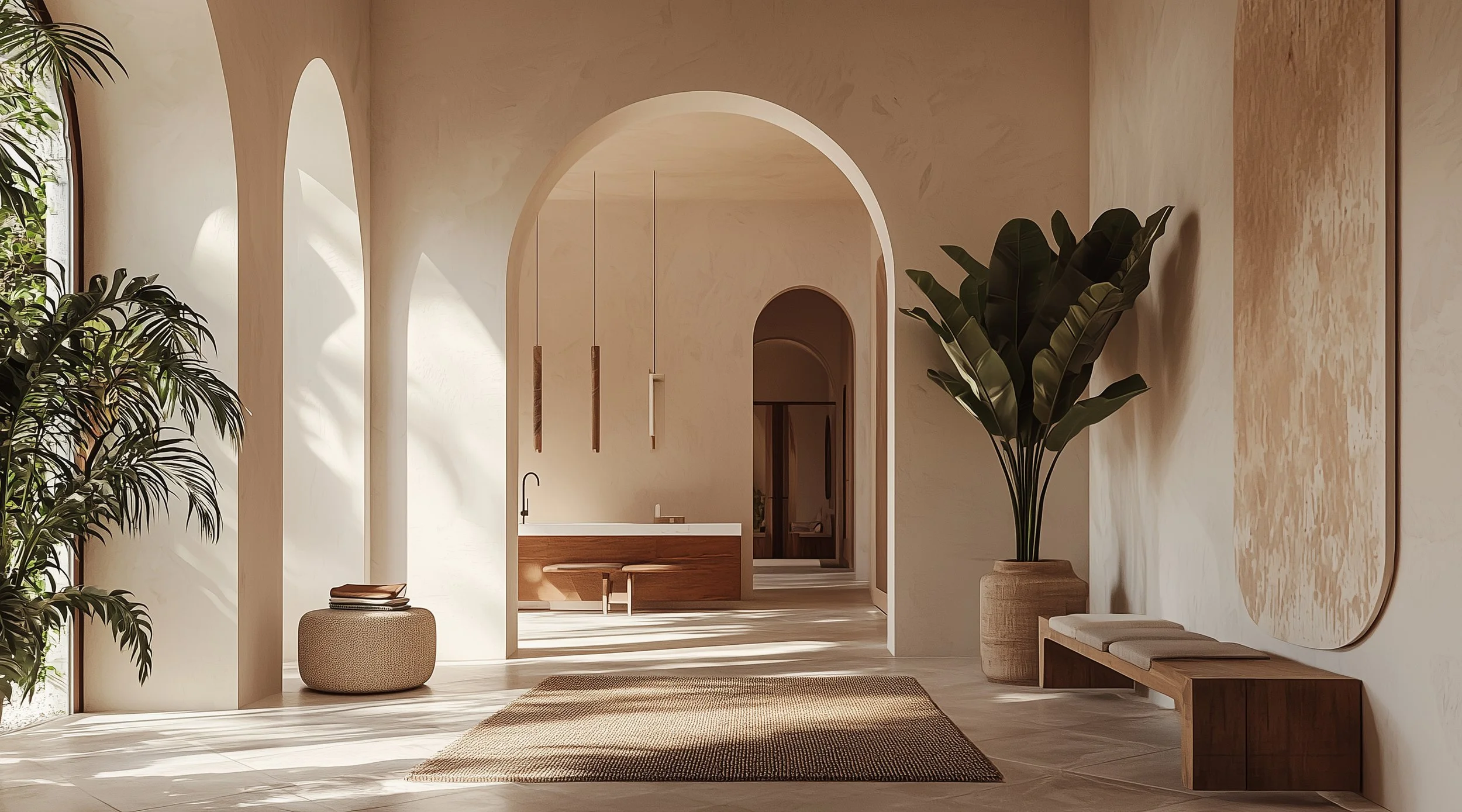
I have always been fascinated by the moment when a house begins to feel like a home. It rarely happens because of one beautiful piece of furniture or an expensive finish. Some of the most memorable homes are actually quite simple. The rooms seem to belong together. Natural light arrives where you want it. There is an ease to moving from one space to another. You may not immediately understand why the house feels so good. You simply know that it does.
As I begin contributing to URBN Perspective, that is the part of design I am most interested in exploring. Not simply what is beautiful or fashionable, but why certain homes make us feel differently and how thoughtful design can improve the way we experience everyday life.
We will certainly talk about kitchens, materials, color and architecture. But I also want to talk about the quieter elements of design: natural light, proportion, connection to the outdoors, the placement of a doorway, and the way one room relates to another.
And perhaps most importantly, flow.
The Part of Design We Feel
Flow can sound like an abstract design term until you experience a home that doesn't have it. The individual rooms may be attractive, but moving through the house feels slightly uncomfortable. The kitchen seems disconnected from the living area. A hallway interrupts the natural path through the home. A beautiful backyard exists just outside, yet the interior barely acknowledges it.
Nothing is obviously wrong. But something isn't quite right.
Then there are homes where the opposite happens. You walk through the front door and instinctively understand where to go. Your eye is drawn toward a window, a fireplace or perhaps a glimpse of the garden. The kitchen naturally becomes part of the gathering space. One room seems to invite you into the next.
That is good flow.
And interestingly, creating it doesn't necessarily require more square footage.
More Space Isn't Always Better Space
We have become accustomed to measuring homes by size. A 3,000 square foot home must somehow be better than a 2,500 square foot home. A larger kitchen must be more desirable than a smaller one.
Design doesn't always work that way.
Unused hallways are square footage. Formal rooms nobody enters are square footage. Oversized bedrooms with awkward furniture arrangements are square footage.
You can have plenty of space and still not have the right space.
That is why I find myself increasingly interested in what happens between rooms. Moving a doorway several feet can change the way two rooms function. Widening an opening can bring natural light into an area that previously felt dark. Reorienting a kitchen island can change whether someone preparing dinner has their back toward the family or is part of the conversation.
These may sound like small decisions. They aren't. They influence the way we experience a home every single day.
Try This in Your Own Home
Here is a simple exercise I love because you don't need to know anything about interior design to do it.
Stand at your front door and look through your home.
Where does your eye naturally go?
Does something invite you farther inside? Can you see natural light, an interesting architectural feature, the backyard or another room? Or does your eye stop at a wall, hallway or piece of furniture?
Now walk the path you take most often through your house, perhaps from the kitchen to the living room and then outside.
Pay attention to anywhere you instinctively turn sideways, walk around something, enter a room only to change direction, or find yourself wishing there were a more natural connection.
Those little moments are clues.
Here is another one: notice where everyone gathers the next time you have friends or family over. Don't think about where you intended for people to gather. Watch where they actually go.
A home will often tell you how it wants to work if you pay attention to the way people naturally use it.
The Kitchen Usually Tells the Truth
The kitchen is perhaps the best example.
Children do homework at the island. Someone pours a glass of wine while dinner is being prepared. Friends somehow end up standing around the kitchen even when there is a beautiful living room ten feet away.
Life gravitates toward certain spaces.
Good design recognizes that rather than fighting it.
That is why a successful kitchen isn't simply about cabinetry, countertops and appliances. Where the kitchen sits within the home, what it looks toward and how it connects to the spaces around it can matter just as much as the finishes we choose.
The best kitchens don't simply function well.
They participate in the life of the house.
Look Beyond the Walls
I also think we sometimes design interiors as though the property ends at the walls.
It doesn't.
A mature tree outside a window becomes part of the room. So does a courtyard, a garden, an ocean view or even the changing light throughout the afternoon.
This is especially true in coastal homes, where the relationship between indoors and outdoors can completely change the character of a space.
Sometimes the most effective design decision isn't adding something new. It is creating a stronger connection to something beautiful that was already there.
Designing Around a Life
Perhaps that is ultimately what interests me most about design.
Trends will come and go. Colors will change. Materials will change. Kitchens will change. We should enjoy those things, but a home shouldn't feel as though it was assembled from a collection of current trends.
It should reveal something about the people who live there.
Maybe there is a dining table that has been in the family for thirty years. Perhaps someone collects art while someone else loves books. Maybe Sunday mornings always seem to end around the kitchen island.
Those details matter.
The rooms we tend to remember aren't always the most perfect ones. They're often the ones with personality, warmth and a certain ease that is difficult to manufacture.
That is what I'm looking forward to exploring here at URBN Perspective: not simply how to make our homes more beautiful, but how thoughtful design can make them feel better, function better and ultimately become more enjoyable places to live.
Because a beautiful home can catch your attention.
A well designed home can change the way you live.
Claire Sullivan
Contributing Design Writer | URBN