Why Some Rooms Feel Expensive Even When They Aren’t
The details that make a home feel thoughtfully designed often have very little to do with how much was spent.
By Claire Sullivan
Some of the most beautiful rooms I’ve been drawn to are not the ones filled with the most expensive things. They are the rooms where everything seems to belong. Nothing is fighting for attention. The furniture feels right for the space. The lighting is warm. Materials have texture. There may be one architectural detail that catches your eye, but even that feels as though it has always been there. We often describe these rooms as feeling expensive. I’m not sure expensive is actually what we’re responding to. I think what we’re noticing is thoughtfulness.
Proportion Before Price
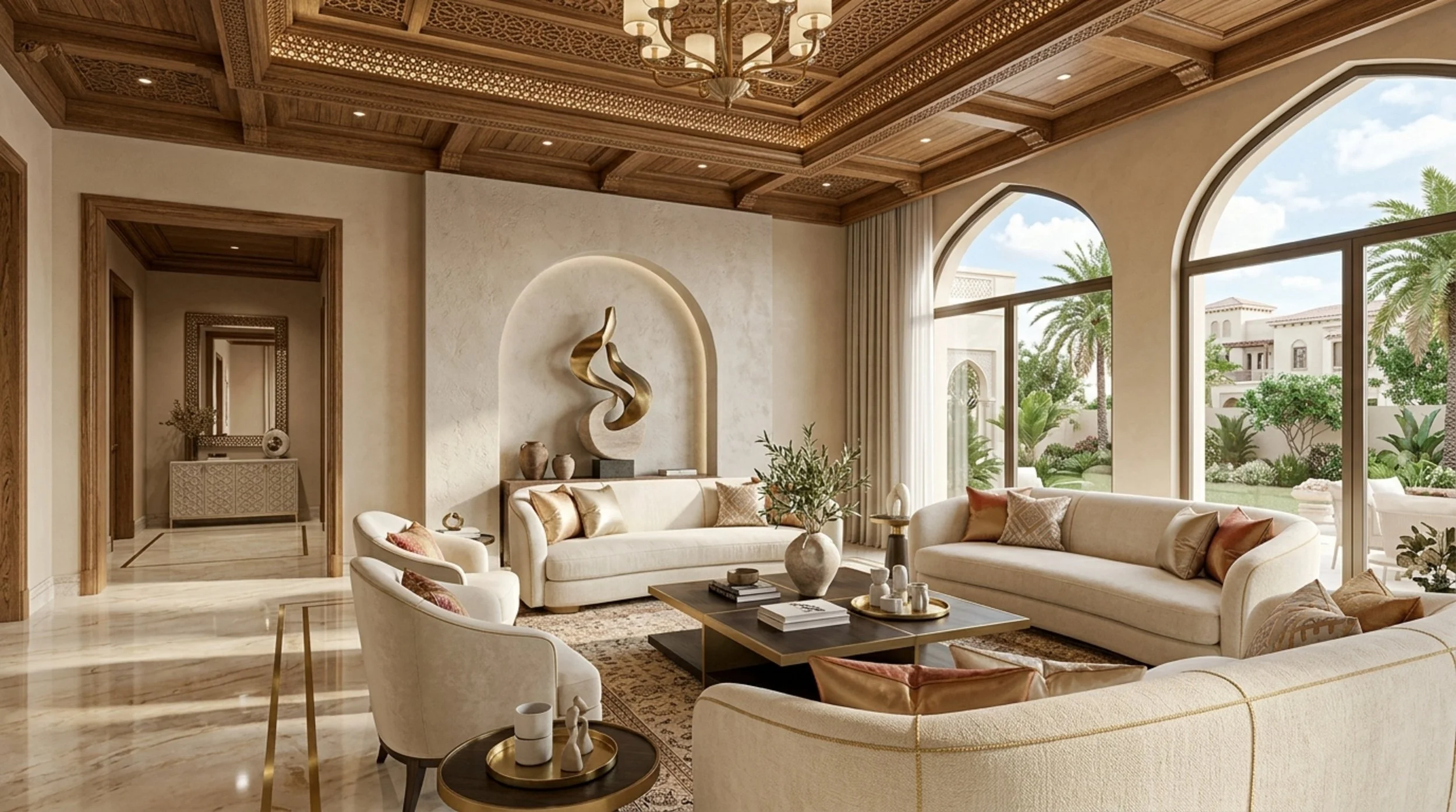
One of the easiest ways to make a beautiful room feel uncomfortable is to get the proportions wrong. A rug that is too small can make an otherwise lovely living room feel disconnected. A light fixture that isn’t properly scaled can disappear into a large space. Furniture pushed against every wall can make a room feel more like a collection of objects than a place where people actually want to gather. None of those problems necessarily requires an expensive solution. Sometimes moving two chairs closer together changes the entire feeling of a room. Good design often begins by asking whether everything relates properly to everything around it. When the proportions are right, we may not consciously notice them. We simply notice that the room feels good.
Give the Eye Somewhere to Rest
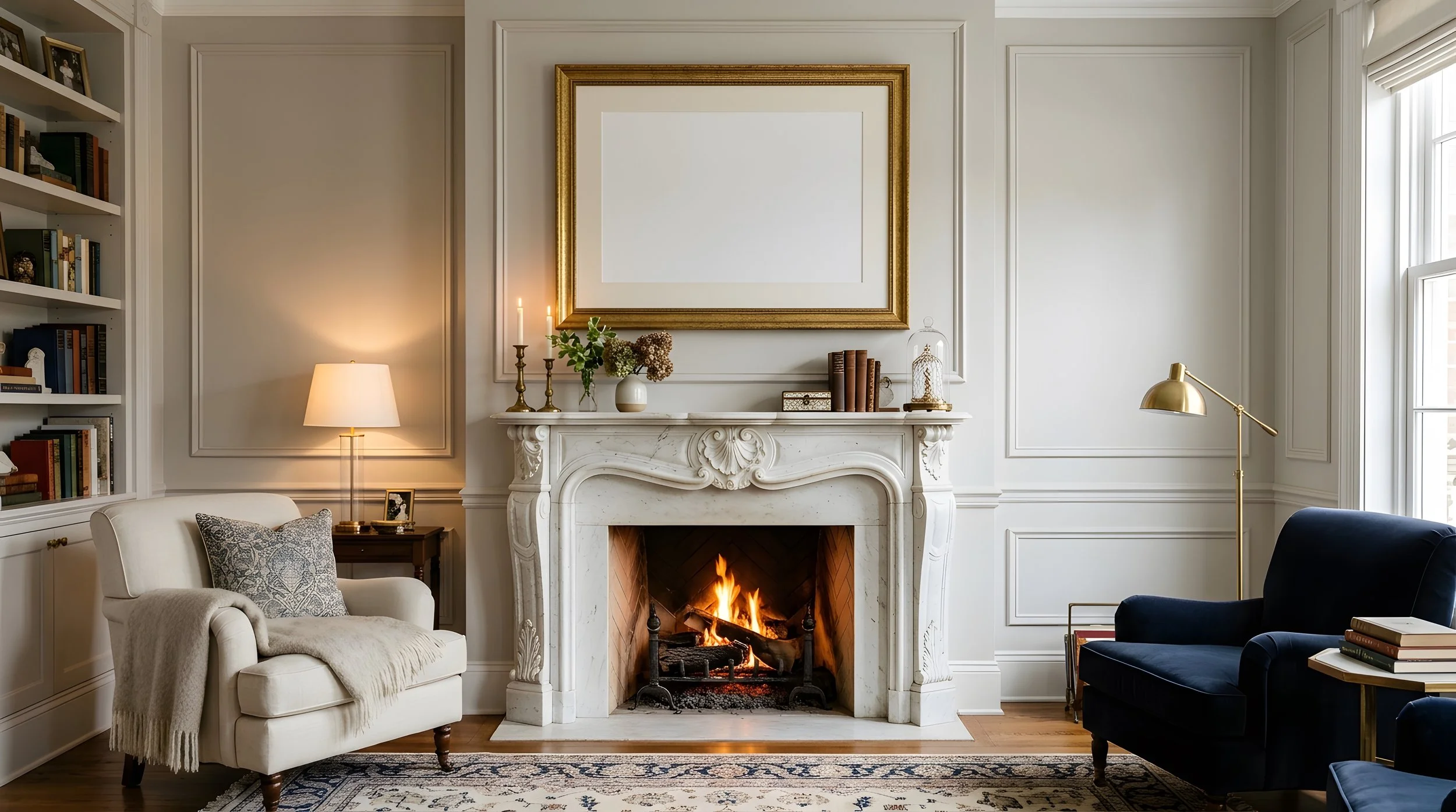
The temptation when designing a home is to keep adding. Another accessory. Another material. Another statement piece. But some of the most sophisticated rooms exercise restraint. There is usually a hierarchy. Perhaps the fireplace is the focal point. Maybe it’s a beautiful view through a window or a piece of art at the end of the room. The rest of the space supports it rather than competing with it. This is one of those places where spending more can actually work against you. A room filled with individually beautiful things can still feel unsettled if every one of them is asking for attention. Sometimes the thing a room needs most is simply less.
Create One Detail That Feels Like It Belongs There
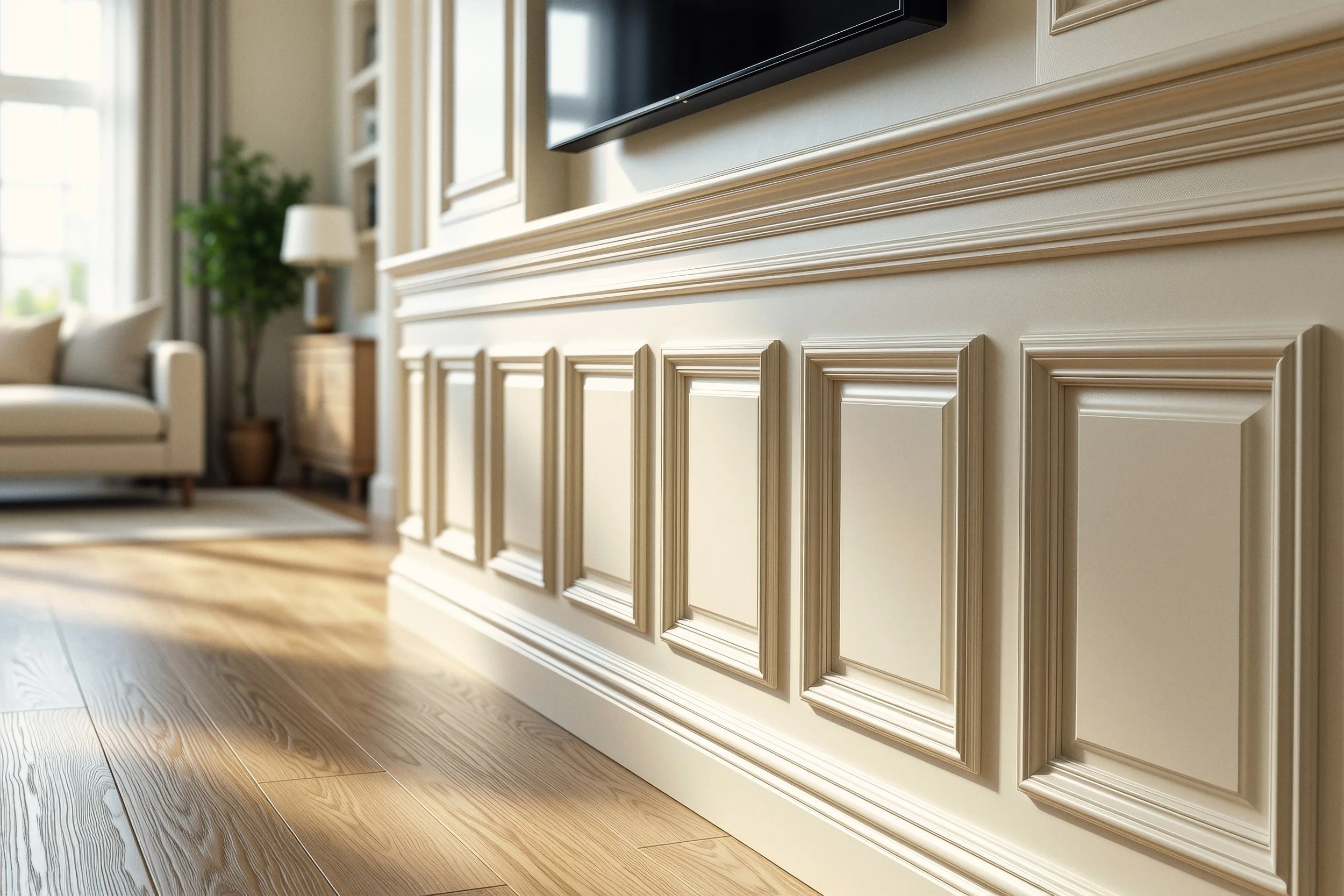
There is something about a home with a thoughtful built-in detail that immediately changes how we perceive it. It doesn’t have to be elaborate. A small reading nook beneath a window. A breakfast nook tucked into an overlooked corner. A simple wall of millwork surrounding a fireplace. These details do something that furniture alone often can’t. They make the house feel personal. More importantly, they help us imagine a life happening there. A buyer may never walk into a house and announce that the custom millwork has increased their perception of value. But they may picture their books on the shelves. They may see their children eating breakfast in the nook. They may imagine themselves sitting by that window on a quiet Sunday morning with a cup of coffee. That emotional connection is powerful.
Texture Creates Warmth
Beautiful rooms rarely rely on a single material. Wood next to stone. Linen beside plaster. A woven rug against smooth flooring. Soft fabric against something architectural and substantial. Those contrasts give a room depth. And again, this doesn’t necessarily require expensive materials. It requires thoughtful combinations. I would rather see a few simple materials used well than several expensive finishes competing with one another.
Try This in Your Own Home
Walk into one of your rooms and resist looking at the individual objects. Instead, notice the room as a whole. Where does your eye go first? Does the furniture encourage conversation? Is there somewhere you naturally want to sit? Does the room have warmth and texture? Is there anything competing for attention that doesn’t need to be there? Then ask one final question: What could I remove, move or add that would make this room feel more intentional? The answer may cost far less than you expect. Because the rooms that feel the most expensive are often the rooms where you notice the room before you notice the things in it. And perhaps that is what good design really does. It doesn’t ask you to admire how much was spent. It simply makes you want to stay.